
04
Mar
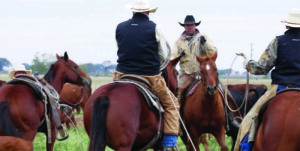
Houston Chronicle: Regenerative grazing is helping Texas ranchers
0 Comment
Beef prices are soaring — and regenerative grazing is helping Texas ranchers thrive. Read the latest Houston Chronicle opinion article to learn... Read More
04
Feb
A Legacy That Pays | Rooted in Change
Think soil is just dirt? Think again! Discover how regenerative ranching practices at Sneary Cattle have turned tired, degraded soil into a... Read More

26
Jan
Audubon’s Conservation Ranching Program and Bird Friendly Beef program
WHF partners with Audubon’s Conservation Ranching Program and their Bird Friendly Beef program.
17
Dec
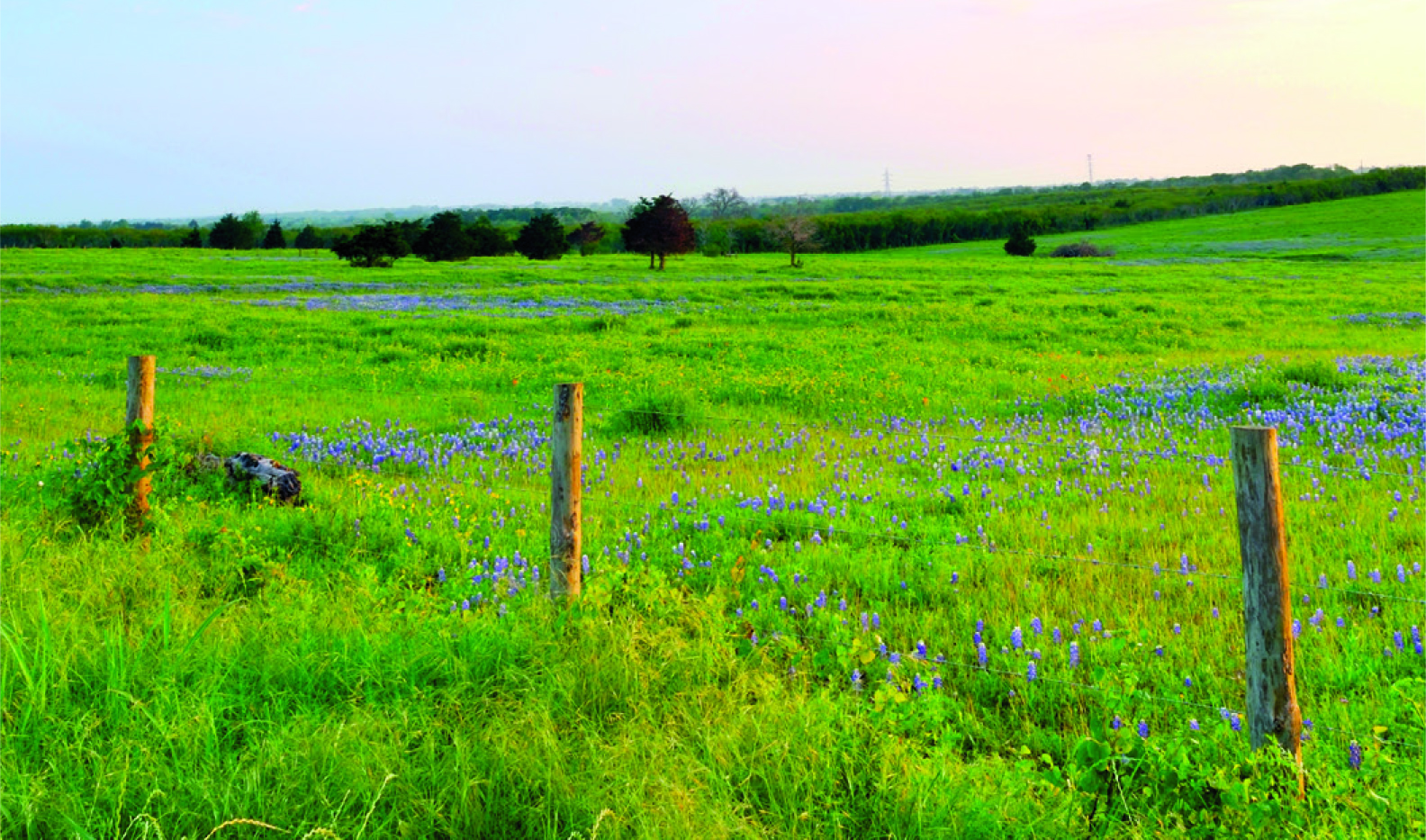
5 Questions about Wildlife Habitat Federation
“Grasslands, areas dominated by grasses with less than 25 percent tree or shrub canopies, are the world’s most endangered ecosystems… But conserving... Read More
13
Oct
Putting Conservation on the Ground Land.com Podcast
What are the four things landowners must have to restore resilient grasslands on their property? Listen to the latest episode of the... Read More

23
May
The Central Grasslands: Backbone of North America
A short introduction to the Central Grasslands of North America, their plight, and a call to action to save what’s left... Read More
10
Mar
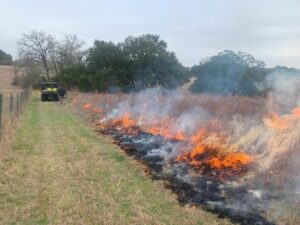
Prescribed Burning
On February 10th, WHF planned and assisted on a prescribed burn in Washington County. The burn was facilitated and conducted by Curtis... Read More
23
Dec
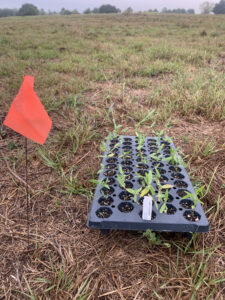
Milkweed Planting
In early November, WHF staff Kayla Sustaita, Schyler Rhea, and Ron Jankowiak planted 580 milkweed plugs at an ongoing native grass restoration... Read More
22
Nov
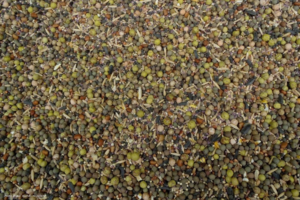
Seed Mixture: A Flexible Crop for Wildlife and Soil
Mixed annual plantings of grasses, legumes, and broadleaves can provide numerous benefits to the wildlife and ecosystem on your farm or ranch.... Read More
01
Oct
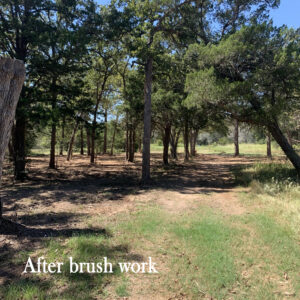
Brush Encroachment
Brush encroachment on native grasslands and savannas is one of many issues that landowners and land managers try to mitigate. Areas that... Read More