Chad Ellis Unanimously Elected to WHF Board of Trustees
0 Comment
Cat Spring, TX – April 9, 2026 – Wildlife Habitat Federation’s Board of Trustees has unanimously elected Chad Ellis to the Board of Trustees at... Read More







Direct technical guidance to landowners through planned outreach at events, field days, workshops, group engagements, and on-site consultations.
Engaging land managers in the planning of conservation practices with the goal of providing measurable improvements of all natural resources present.

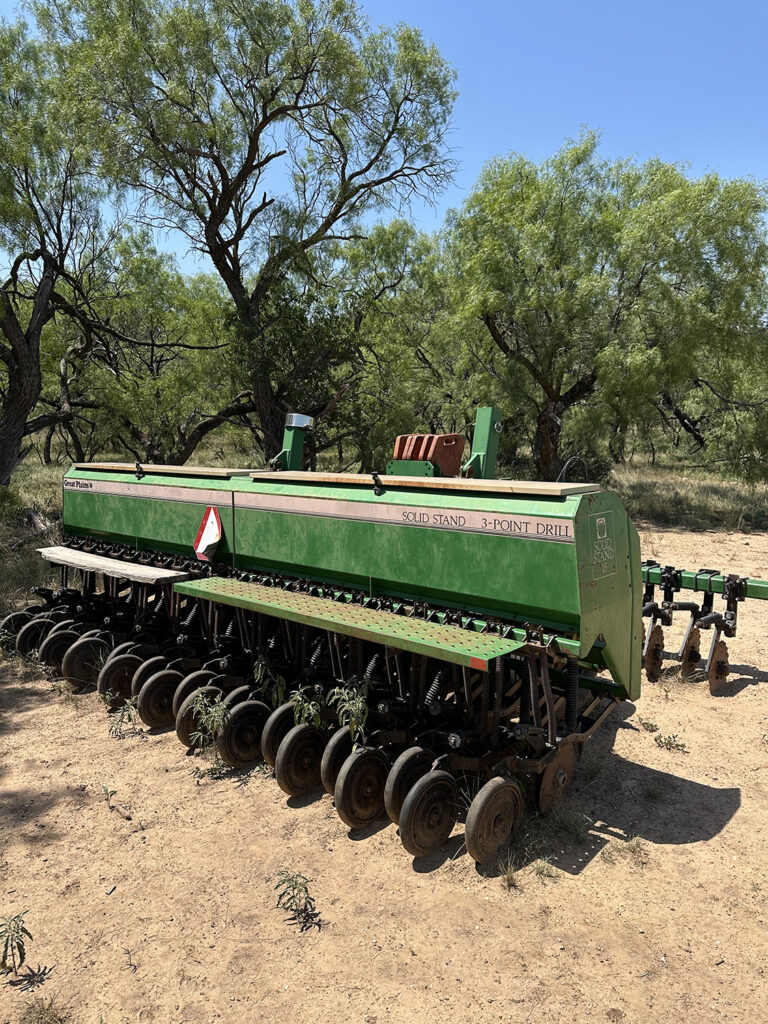
Acres under improved management as a result of planned grazing, prescribed burning, rangeland plantings, etc.

Engaging with like-minded organizations to achieve common goals. Co-hosting education and outreach events with allied organizations to inform the public about land conservation practices and programs.
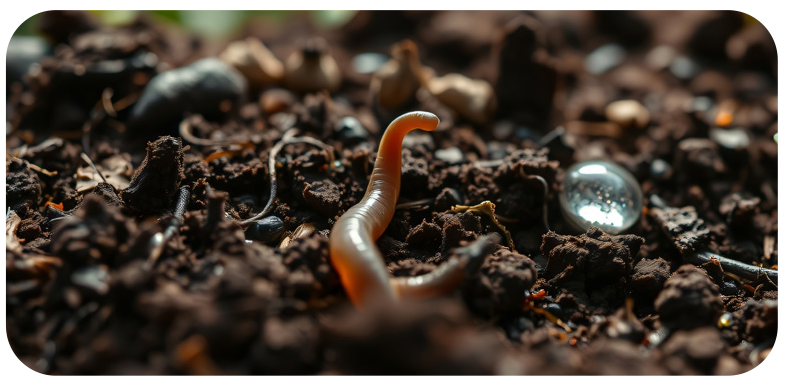
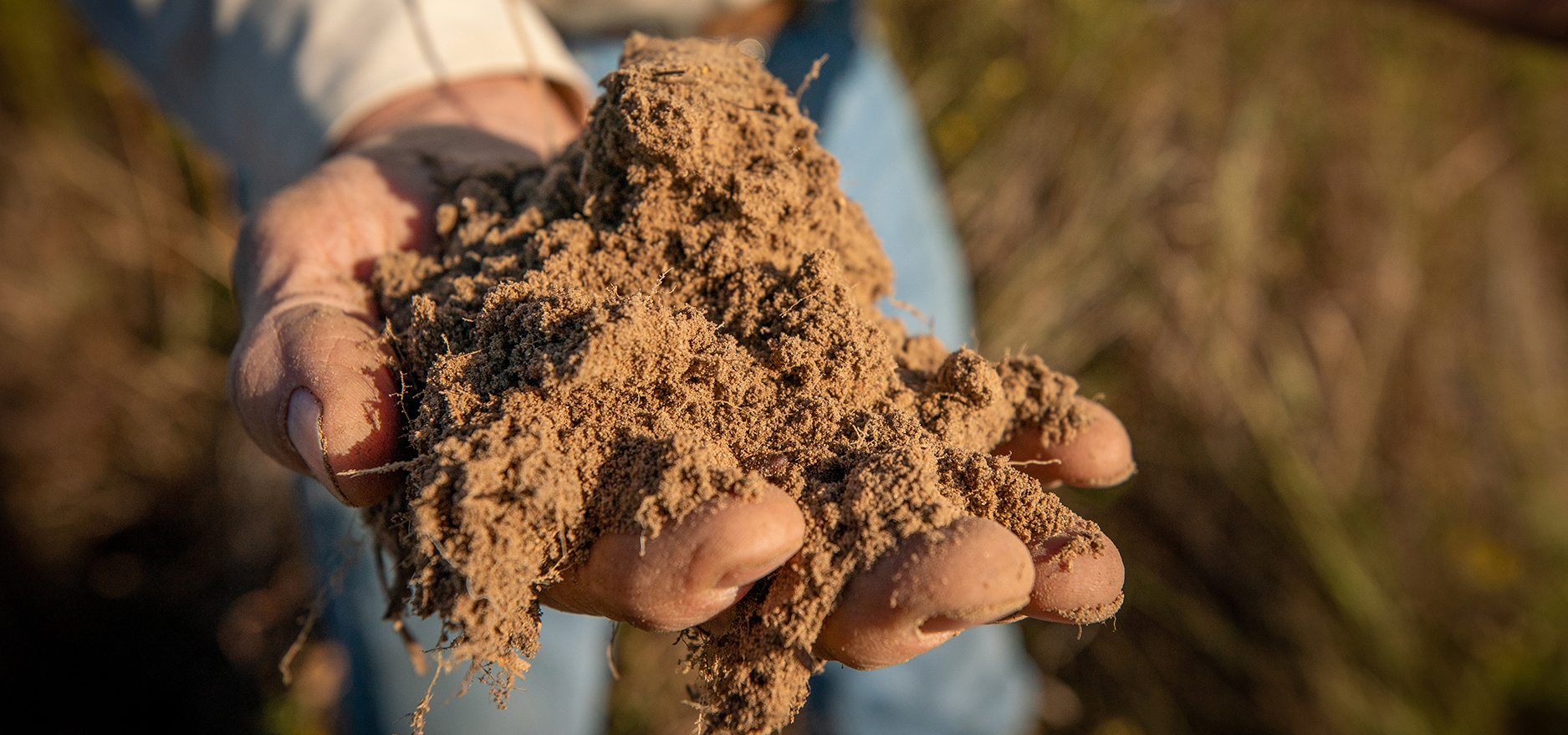
WHF delivers management plans and boots-on-the-ground guidance to advance the land’s soil health, creating friable environments for root systems to grow deeper and wider.
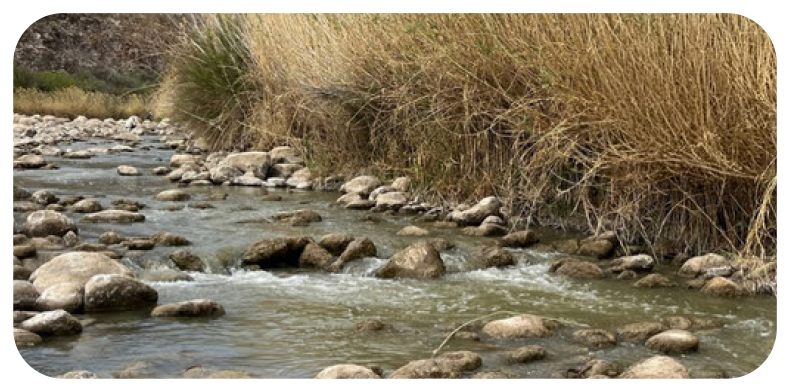
Friable soils improve water infiltration and reduce runoff, limiting sediment flow into Gulf bays and estuaries and, in turn, supports healthier plant and wildlife communities.
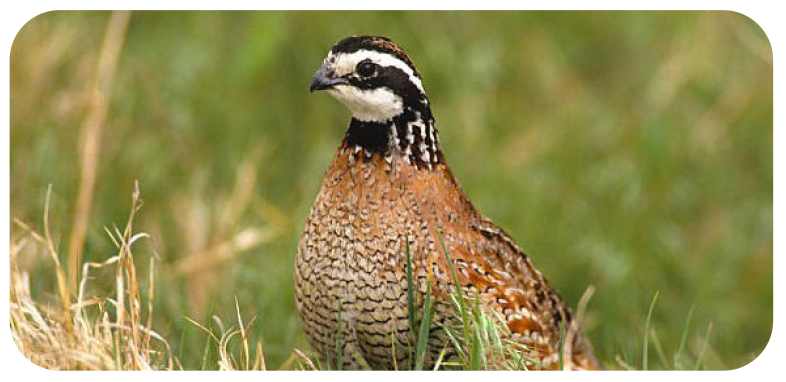
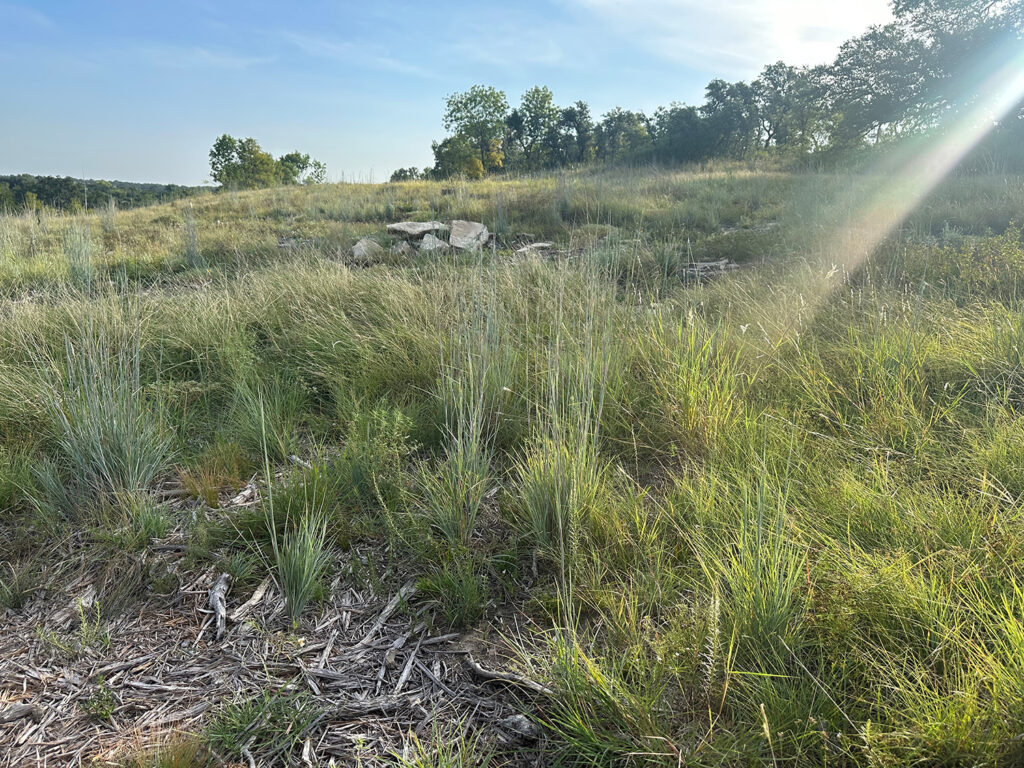
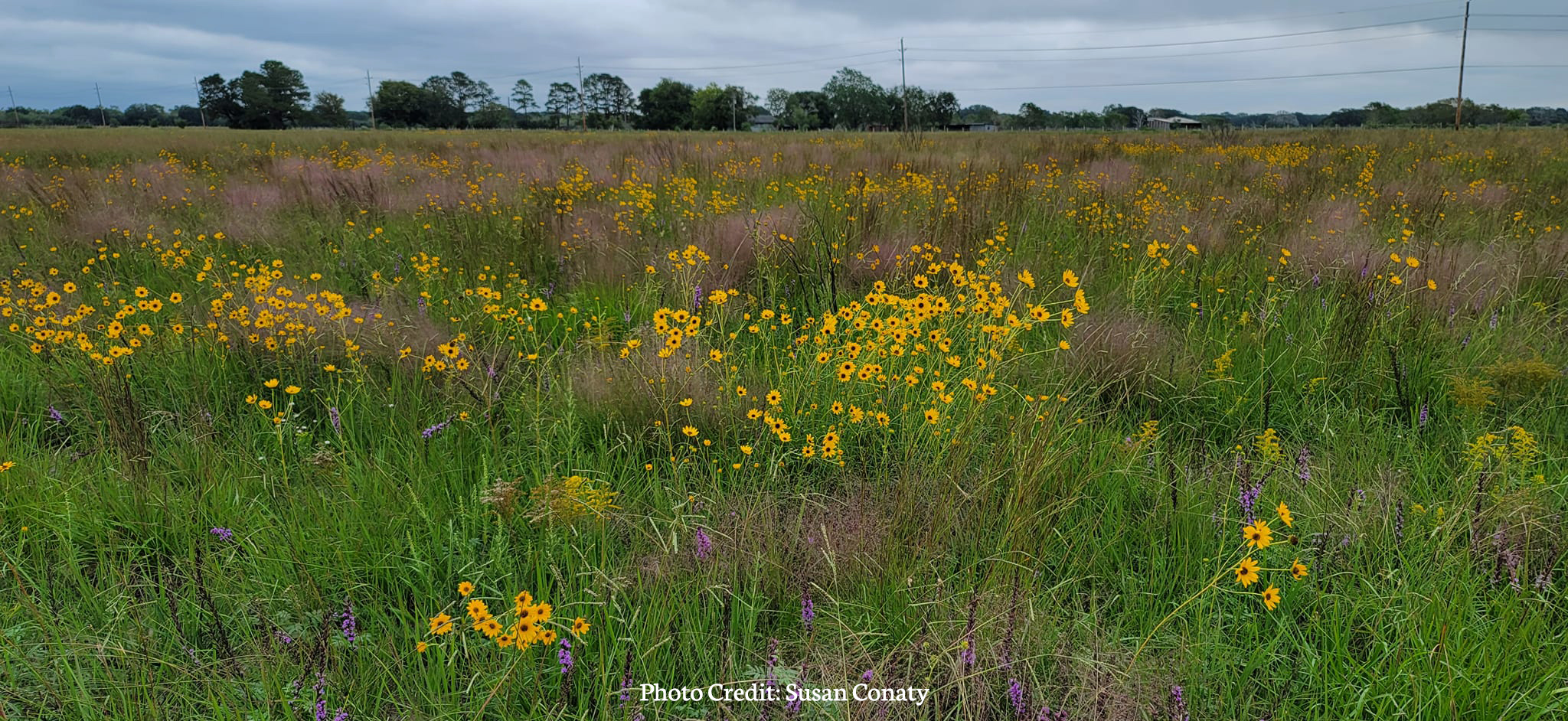
WHF’s methods allow nature to bring back desirable and diverse native plants and wildlife species that Texans love to see, which further benefits the Texas ecosystem.
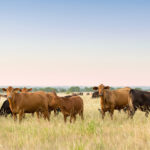
Not only is grass essential for keeping livestock healthy, but livestock are also essential in keeping native grasses healthy. WHF’s regenerative grazing management plans help the land thrive while enhancing cattle management.
Coastal Prairies and Marsh habitats managed under improved practices significantly reduce pollution from the local environment which benefits the quality of water for freshwater aquatic species and for municipal drinking sources.
Research has shown that there are three times as many species of birds on a large restored native grassland and wetland restoration site in northeast Texas compared to a similar unrestored parcel.
As vegetation increases, so does carbon capture, with the greatest impact happening underground. While trees play an important role, native grasses outperform them by two to four times because their vast root networks lock carbon deep into the soil for long-term storage.
Grasslands are a key component in reducing major flood events. The runoff from 20 acres of native grasslands is equivalent to runoff of one acre of paved land. 60,000 acres under improved management strategies can store up to 18 billion gallons of water over a three-year period.
Soil carbon sequestration is the term used to describe the process of atmospheric CO2 being absorbed by grasses and stored in their roots and the soil.
A big part of the prairie resurgence is due to WHF’s tireless, innovative, and scalable work to restore the prairies on both rural private lands and in the heart of the city.

We’re very grateful you took the time to create such a beautiful report with impressive photos and lists of native plants, forbs, and trees. This is truly the best consultation we’ve had at the property and are very thankful for this assessment.

WHF has been a huge help to me and has exceeded my expectations.
Wildlife Habitat Federation has been such a big help to our family. They have walked us through different opportunities for improving our land and vegetation while directing us to resources we would never have found on our own.
Best ranch decision I have made in my 30 years of ownership of the ranch was to work with WHF… regarding land stewardship. The entire project plan to remove cedar and replace it with multiple native grassland plants has been a huge success. The entire makeup of new vegetation and forbs has transformed the land.
Wildlife Habitat Federation has helped me improved my ranch with several excellent suggestions. This year was one of the best fawn crops that I’ve seen in a long time… Their recommendations and knowledge have made a big impact on my ranch!

Can’t thank WHF enough for the help they’ve given me. The knowledge and effort that [they] have brought to my project has been a game changer for me.
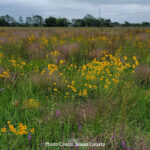
I’m grateful for your team’s work… [Y’all’s] experience, practical knowledge, and skill in navigating NRCS processes have been invaluable as we work to improve the land for both wildlife and livestock. Thank you… WHF, for standing alongside Texas landowners.