
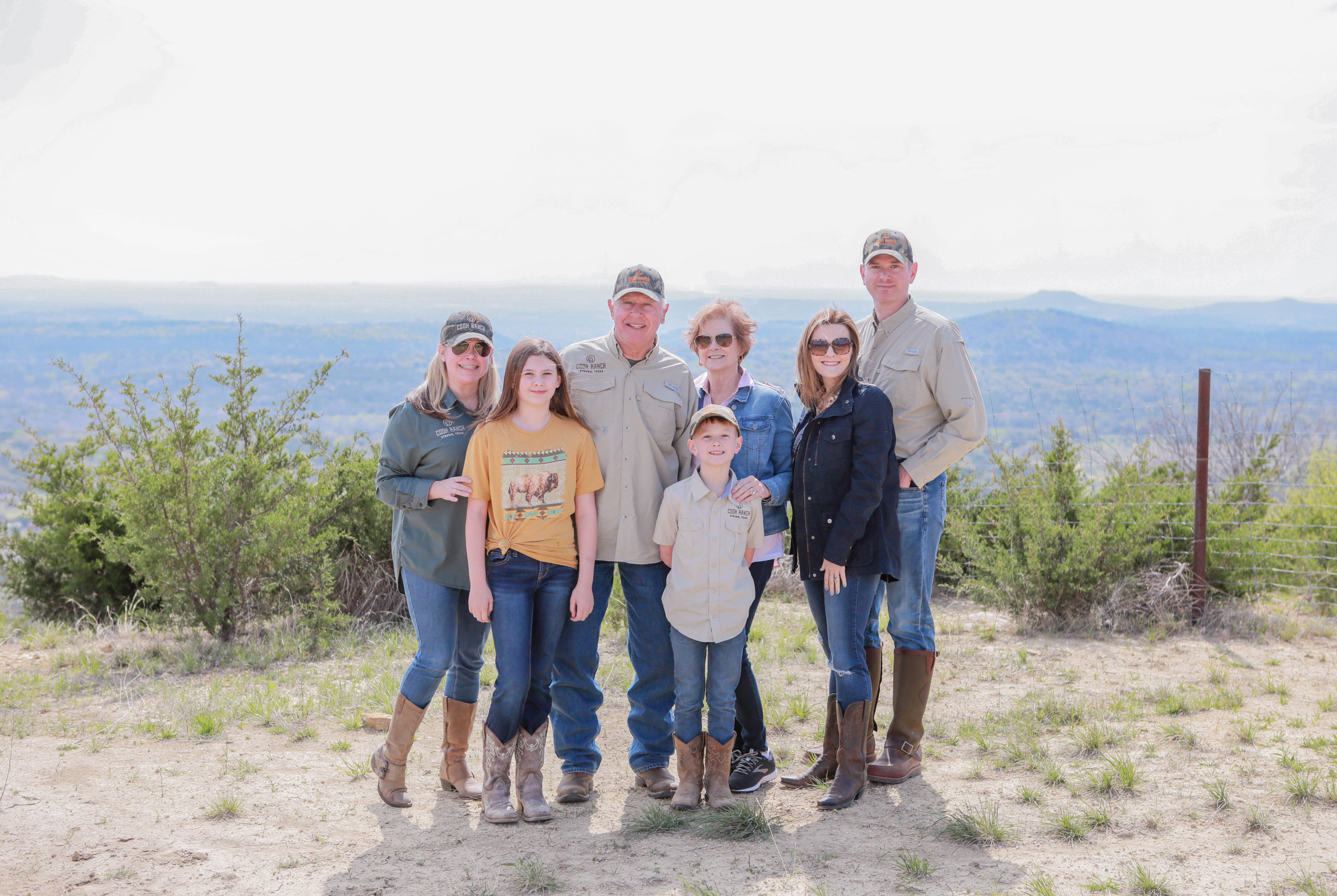
Cook Family Ranch
Rooted in Stewardship: Bill Cook’s Vision for the Cook Family Ranch
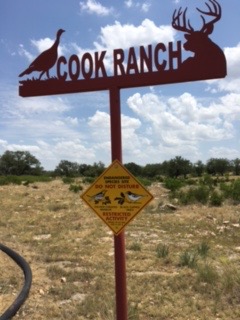
Tucked into the rugged Cross Timbers and Palo Pinto Mountain country west of Fort Worth, the Cook Family Ranch encompasses more than 3,000 acres of rolling rangeland, canyons, oak mottes, native grasslands, and wildlife habitat carrying generations of history — and a vision for the future. For Bill Cook, the ranch has never been simply about owning land. It has always been about stewarding it.
That commitment to conservation recently earned Cook the prestigious Area V Wildlife Conservationist Award at the regional Conservation Awards Banquet, recognizing years of dedicated habitat improvement, wildlife-focused management, and long-term land stewardship.
The Wildlife Habitat Federation’s mission is to conserve soil, water, air, and wildlife through practical, on-the-ground management, restoration, and generational sustainability. On the Cook Family Ranch, that mission has found a devoted partner. Since purchasing the property in 2016, Cook has embraced the full weight of that responsibility — transforming what was once an absentee-owned ranch into a living demonstration of active stewardship rooted in long-term vision.
“Family is huge with me,” Cook says. “That’s why I call it the Cook Family Ranch.” The legal structures — the LLC and LP — exist for one purpose: to pass the ranch intact to the next generation. In his family ranch notes, Cook wrote plainly: “We owners are only a caretaker — a steward of God’s creation for a short time. Then it goes to the next generation.” That philosophy is not aspirational language. It is the framework around which every management decision is made.
The Land
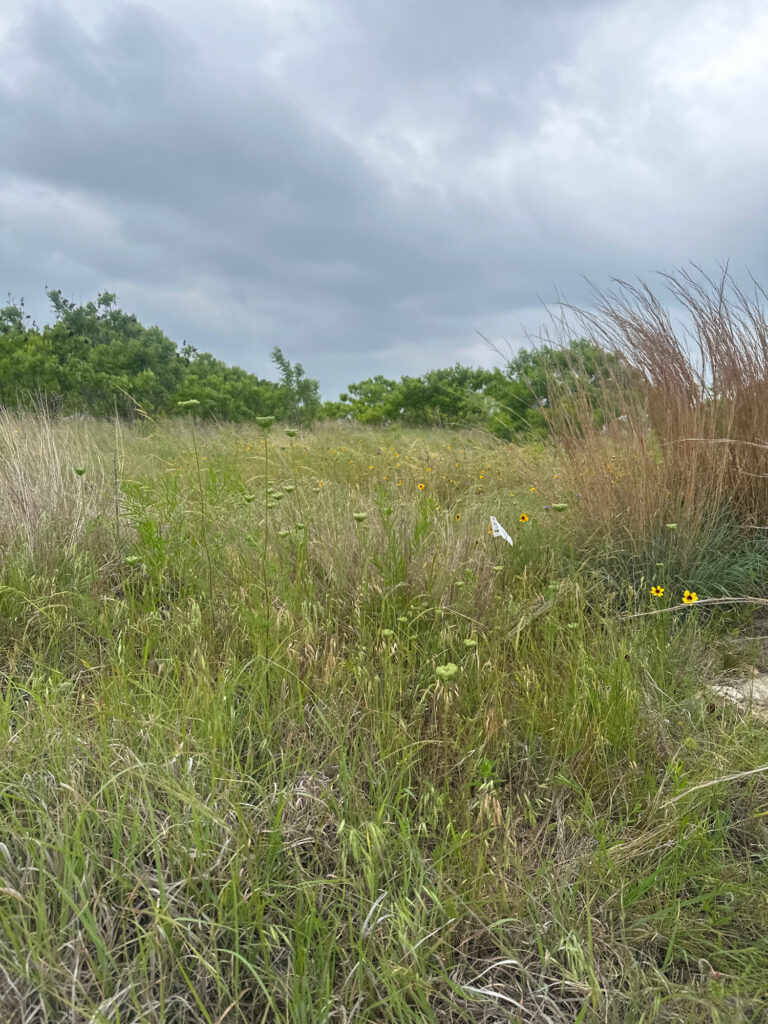
The Cook Family Ranch spans approximately 3,075 acres across Stephens and Palo Pinto counties within the Cross Timbers ecoregion. Characterized by rocky limestone soils, steep elevation changes, dense canyon systems, and native rangelands, the property supports a remarkable diversity of wildlife — white-tailed deer, turkey, dove, ducks, quail, monarch butterflies, and even federally listed species including the Golden-cheeked Warbler and Black-capped Vireo.
The terrain itself demands thoughtful management. The rugged topography creates both opportunity and challenge: diverse microclimates that support habitat variety, but also vulnerable soils susceptible to erosion, compaction, and degradation under poor grazing pressure.
A Philosophy Built on Grass
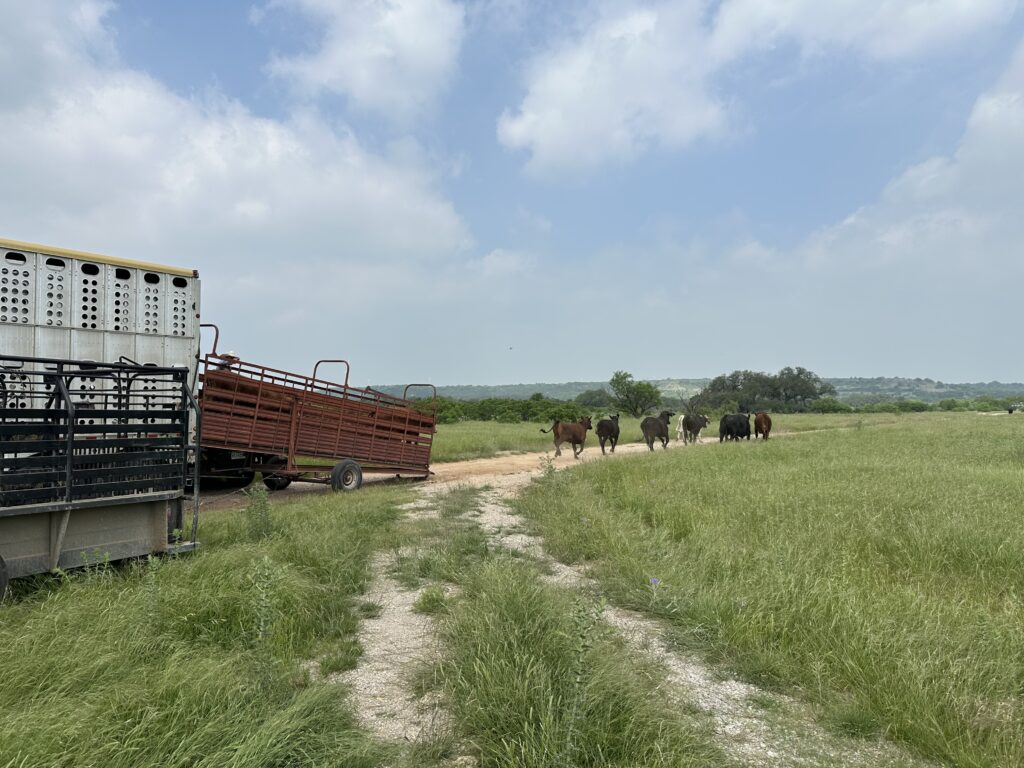
While many ranches measure success through livestock numbers alone, Cook’s philosophy centers on ecological balance. He views cattle not as the primary product, but as a management tool — one that, when used correctly, can mimic the natural grazing patterns once created by roaming buffalo herds.
“Each family member should think of themselves as a grass farmer, not a cattle rancher,” Cook has said. His guiding principle — take half the grass, leave half — has become foundational to the ranch’s entire management approach.
The ranch operates under a rotational grazing system across four major pastures, allowing forage recovery periods and reducing overgrazing pressure, particularly during drought years. Through adaptive grazing, brush management, native plant restoration, and careful monitoring, the Cook Family Ranch is steadily transitioning toward healthier warm-season native grass composition while improving habitat structure for wildlife across the property.
WHF has worked alongside Cook throughout this process — conducting on-the-ground evaluations, grazing assessments, and habitat planning to develop conservation strategies that balance productive ranching with long-term ecological health. Current efforts focus on improving native warm-season grass composition, managing grazing pressure, enhancing usable wildlife habitat, and increasing plant diversity across the ranch.
Conservation Beyond Cattle
Cook’s conservation work extends well beyond livestock management. Native brush and oak cover are intentionally retained in key areas to provide nesting cover, escape habitat, browse, and travel corridors for wildlife. He has invested heavily in invasive species control, cedar management, erosion prevention, and native reseeding to restore ecological function across degraded portions of the property.
Wildlife management on the ranch is equally deliberate. Predator management is carefully timed to protect nesting success for quail, turkey, and deer. Habitat improvements focus on increasing usable space, plant diversity, and forage availability — reflecting Cook’s core belief that healthy wildlife populations begin with healthy land.
The ranch also serves as critical habitat for pollinators and migratory species, with management practices tailored specifically to support biodiversity while maintaining the working character of the ranch.
Learning as a Steward
Perhaps most telling is Cook’s willingness to document both his successes and his mistakes. In his ranch notes, he openly records lessons learned from prescribed fire decisions, grazing pressure, and brush management over the years. That culture of honest reflection and continual improvement has become a defining characteristic of the Cook Family Ranch’s stewardship philosophy — and a model worth emulating.
What was once a neglected, absentee-owned property has been transformed through extensive restoration work, habitat enhancement, and careful conservation planning. The change did not happen overnight, and Cook does not pretend otherwise.
A Legacy in Progress
For Cook, conservation is not a trend — it is a responsibility passed from one generation to the next. He hopes that generations from now, the Cook Family Ranch will continue to serve not only as productive working land, but as a thriving ecosystem where wildlife, native plants, water resources, and family heritage endure together.
WHF is proud to support that vision — and to walk alongside Bill Cook as the Cook Family Ranch becomes the legacy he intends it to be.









About Post Author
