
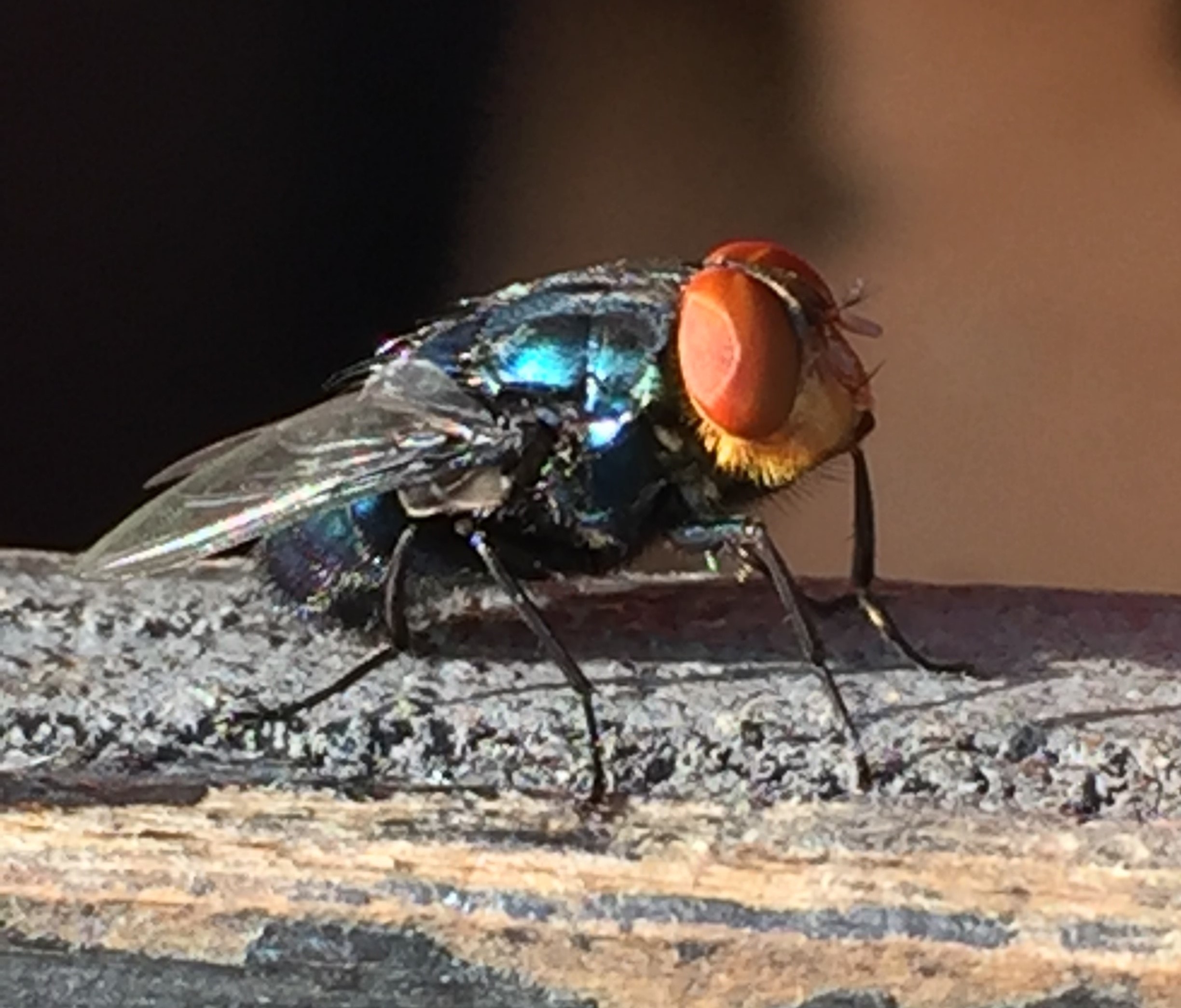
New World Screwworm
New World screwworm (NWS) is a serious pest that affects livestock, pets, wildlife, and, less commonly, people and birds. Adult screwworm flies are about the size of a common housefly or slightly larger. Their larvae feed on the living tissue of warm-blooded animals. Untreated screwworm infestations can be fatal to livestock, wildlife, and humans. Not controlling the pest in a livestock population can damage a country’s economy.
The New World Screwworm is at the top of many producer’s minds, and WHF can help. USDA Natural Resources Conservation Service recommends the following actions:
- Brush management – thinning encroachment can improve airflow, creating an environment unfavorable to flies.
- Grazing management – facilitate livestock movement as part of an integrated plan to support continuity of business.
- Livestock shelter structure – improve distribution of grazing animals to enhance wildlife habitat, reduce over-used areas, or correct other resource concerns resulting from improper animal distribution that would attract flies, provide breeding habitat, or encourage infestation.
WHF works alongside NRCS in planning and implementing conservation practices to reduce the potential for New World Screwworm (NWS) establishment and risk of infestation and spread.
See the resources below from NRCS and USDA and the USDA website, screwworm.gov
Report any suspicious wounds, maggots, or infestations at https://www.aphis.usda.gov/animals/animal-health/livestock-and-poultry-disease/stop-screwworm/report-suspected-cases-screwworm.









About Post Author
